Review of our PEM Summer School from July 28–30, 2025: A complete success!
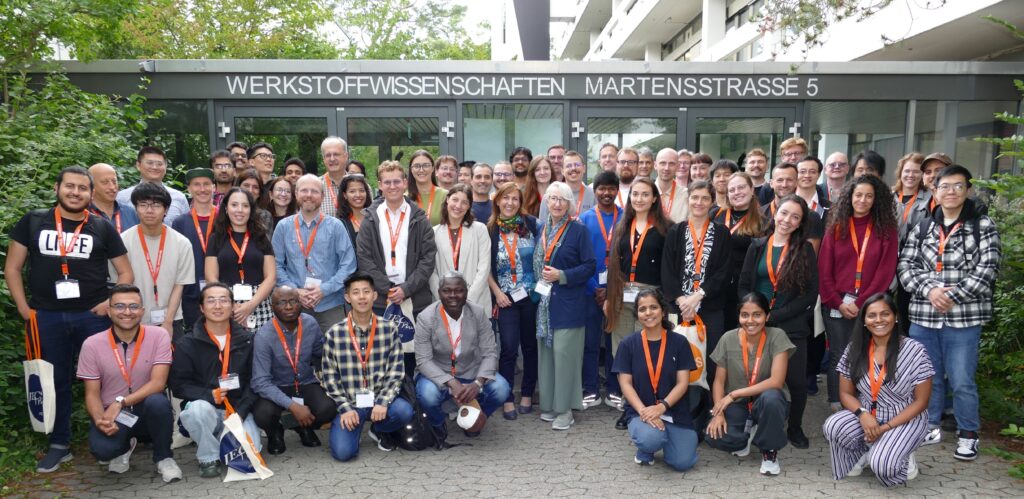
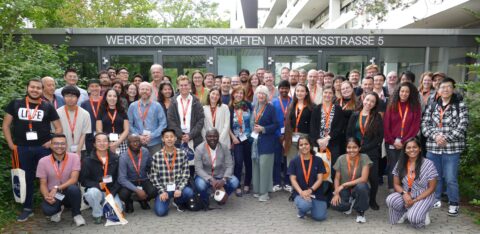
The IGK2495 Summer School brought together 76 participants from different countries for a three-day interdisciplinary training on photo-electro-mechanical (PEM) energy conversion. Hosted at Friedrich-Alexander-Universität Erlangen-Nürnberg (FAU), the event aimed to explore the fundamental and applied aspects of photo-electro-mechanical materials and devices, with a special focus on lead-free perovskite systems and next-generation energy harvesting technologies.
The summer school featured a series of lectures by international experts, interactive discussions, lab-tours, and a poster session. Attendees came from a range of scientific backgrounds, including materials science, physics, mechanical and electrical engineering, as well as chemistry. The event successfully fostered academic exchange, initiated potential collaborations, and strengthened the research network within the IGK 2495 framework.
The key objectives of the PEM summer school were to:
- Provide interdisciplinary training in multi-modal energy conversion mechanisms and applications.
- Encourage early-career researchers to engage in cross-disciplinary collaboration.
- Facilitate the exchange of current research findings in areas such as photoferroelectricity, bandgap engineering, and photodielectrics.
- Offer insights into the development of real-world PEM-based energy conversion devices.
Program
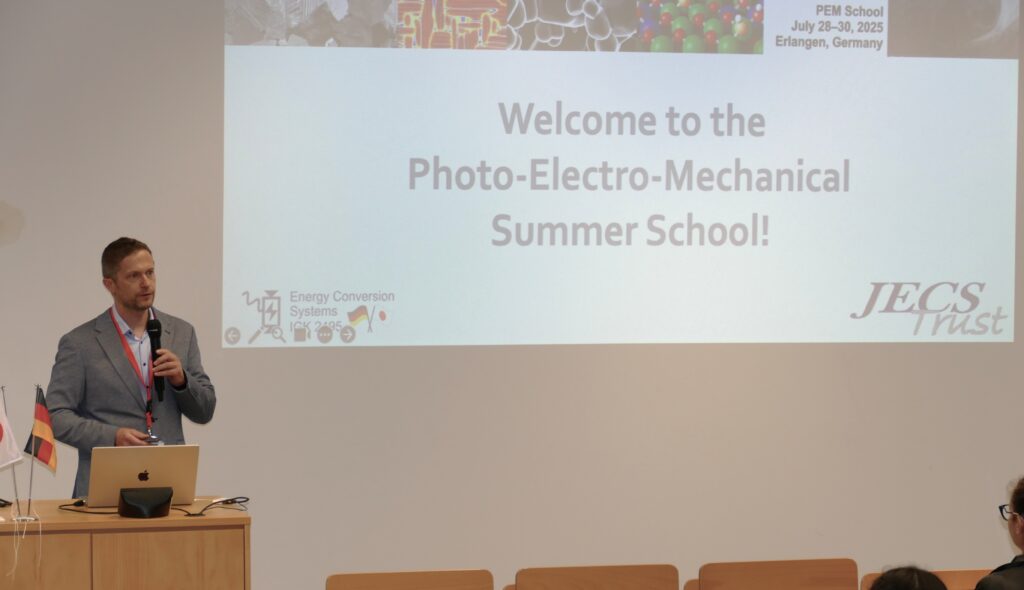
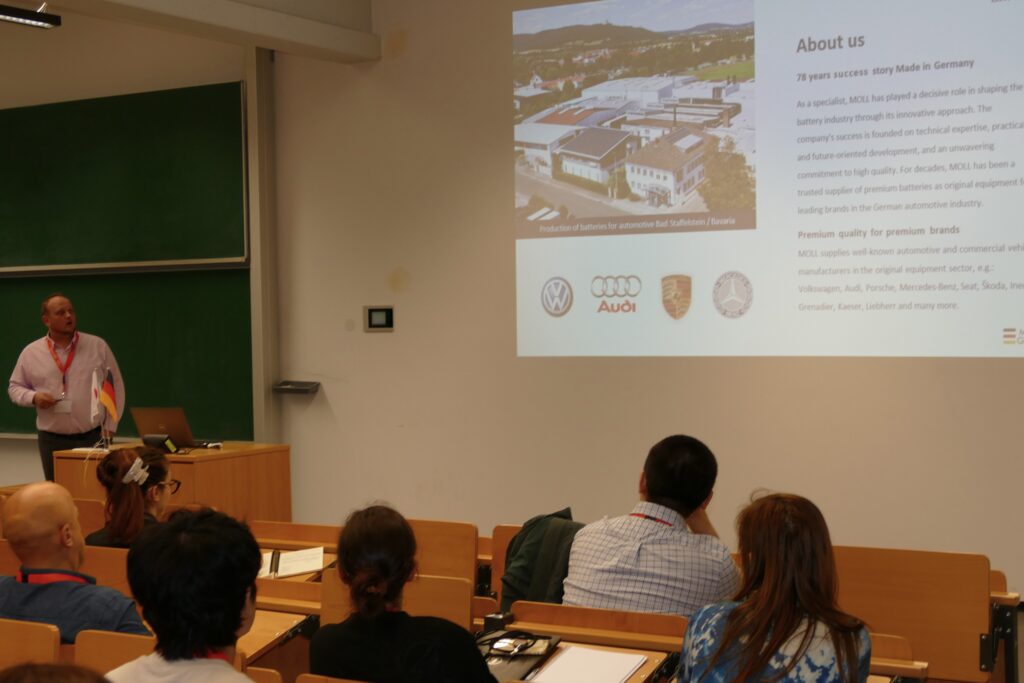
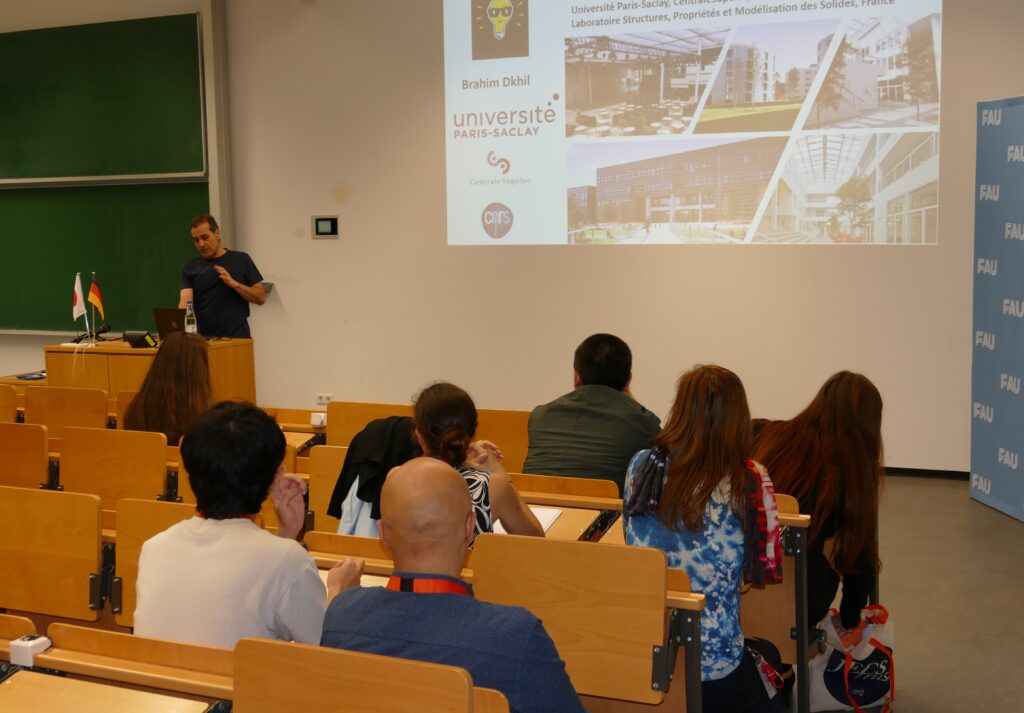
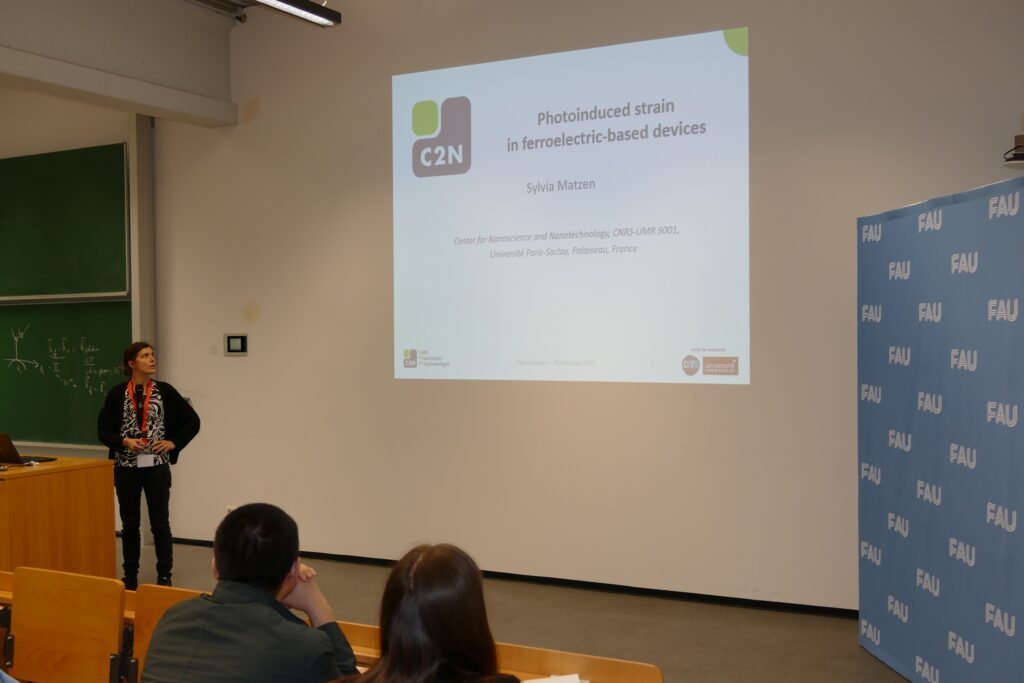
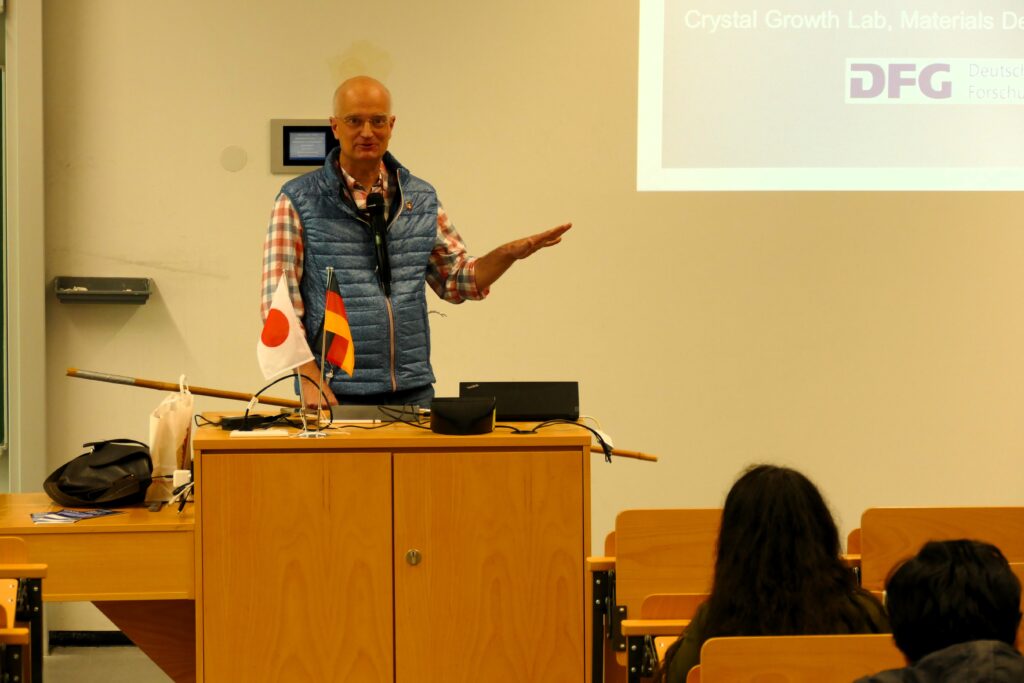
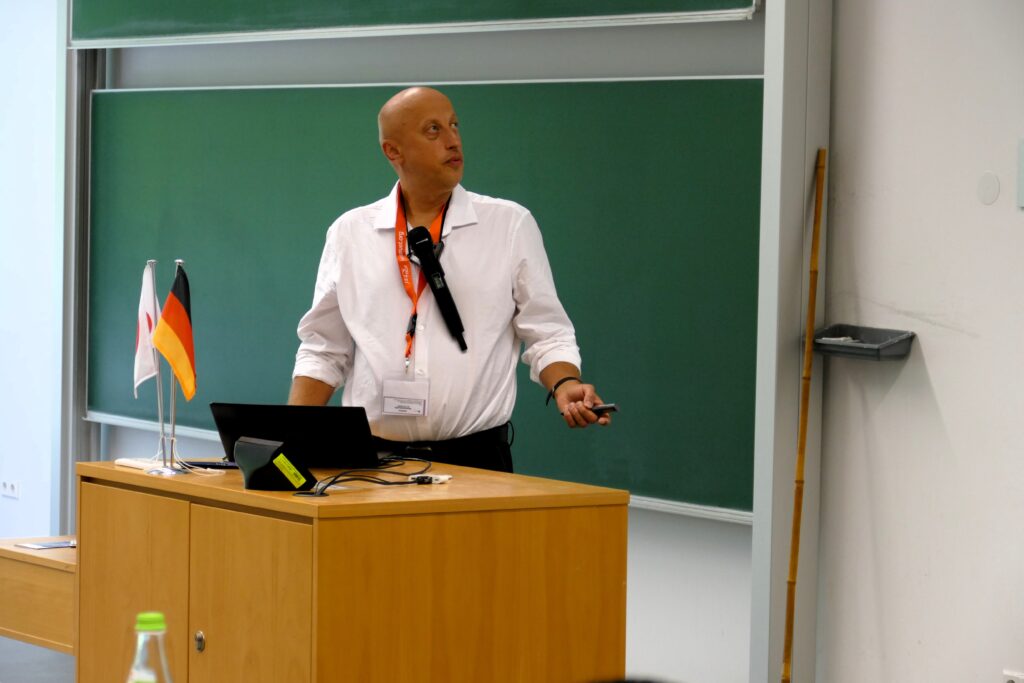
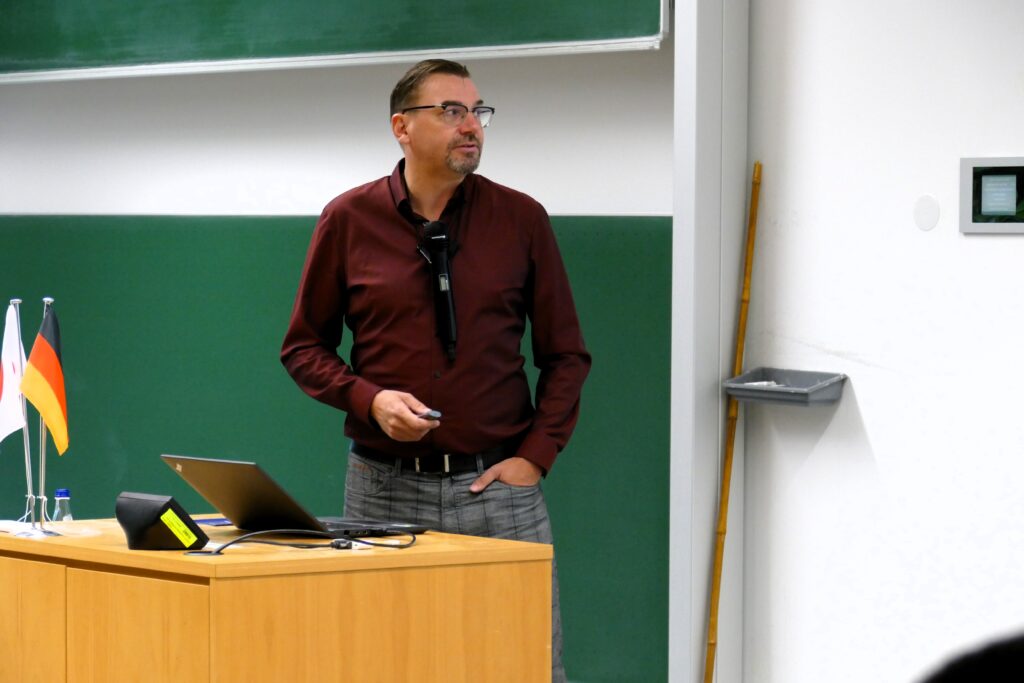
On the first day of the school, the focus was on the fundamentals of multimodal energy conversion materials. Following the plenary lecture on post-lithium battery technologies by Dr. Andy Fiedler (Moll Batterien, Germany), Prof. Brahim Dkhil (Paris-Saclay University, France) delivered an excellent overview of photoferroelectricity, as well as a broader perspective on the many multimodal energy conversion mechanisms currently under investigation. Dr. Sylvia Matzen, from the Centre de Nanosciences et de Nanotechnologies at Paris-Sud University in Orsay, introduced the concept of photo-induced strain. She presented examples involving epitaxial oxide thin films and their integration into electronic devices, with a particular focus on light–matter interactions in ferroelectric materials. The final talk of the day was given by one of the IGK 2495 principal investigators, Prof. Wolfgang Heiß, who discussed halide perovskites and the challenges posed by interfaces and intrinsic defects, and how they can lead to non-radiative recombination losses in photovoltaic cells.
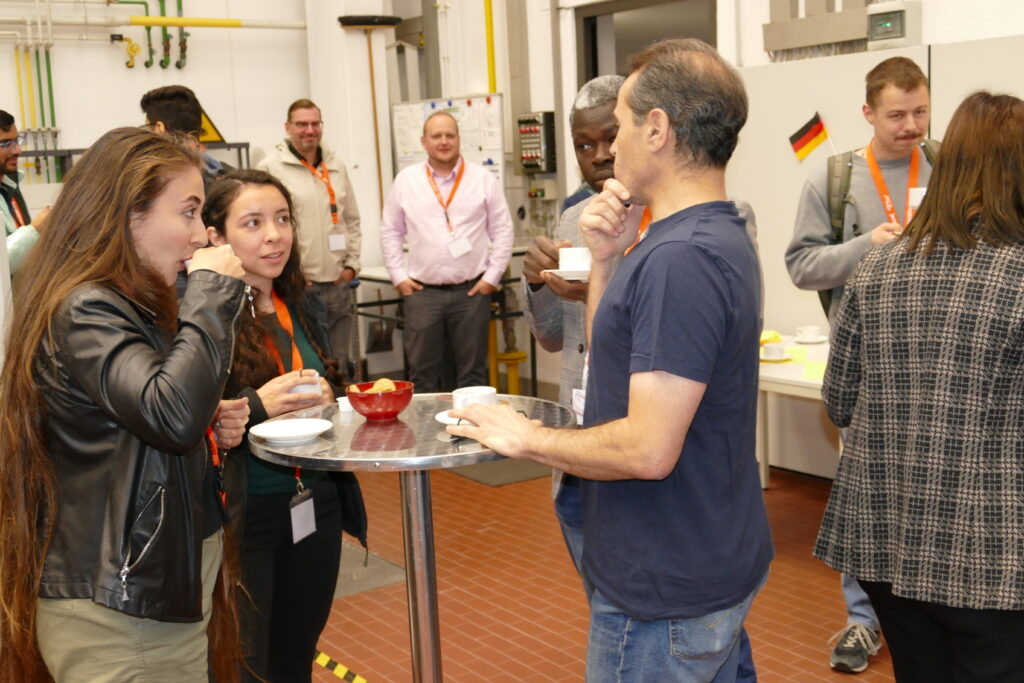
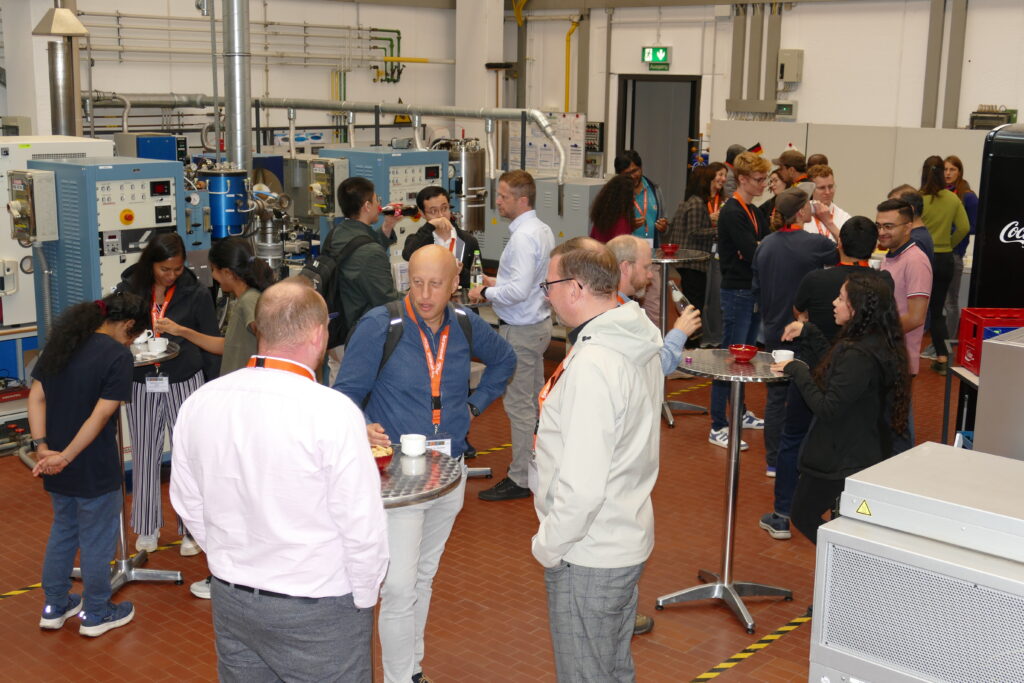
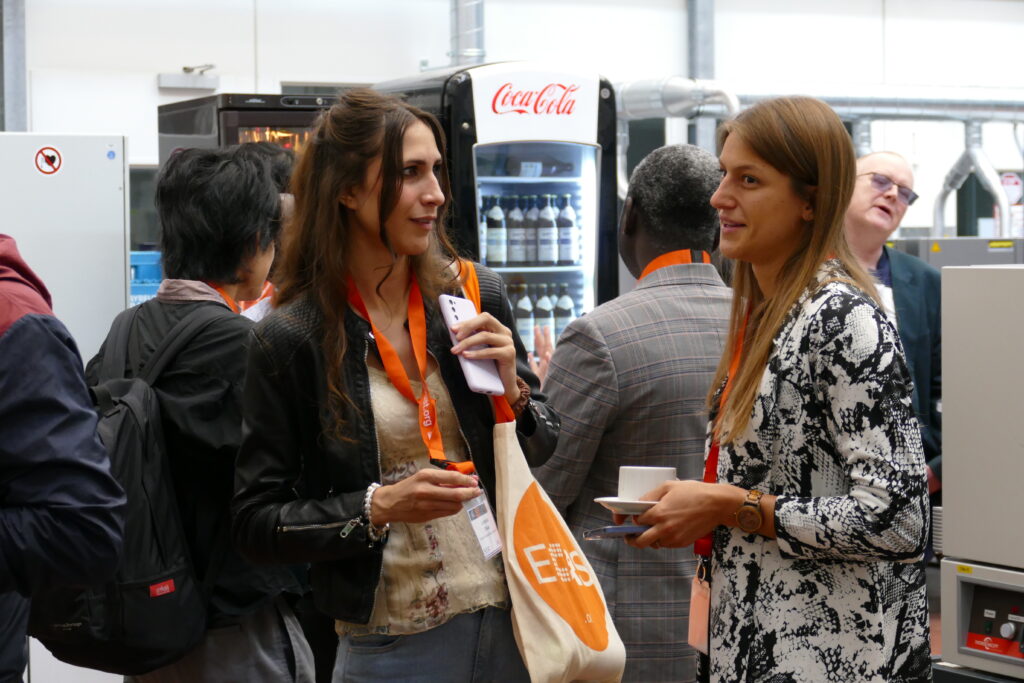
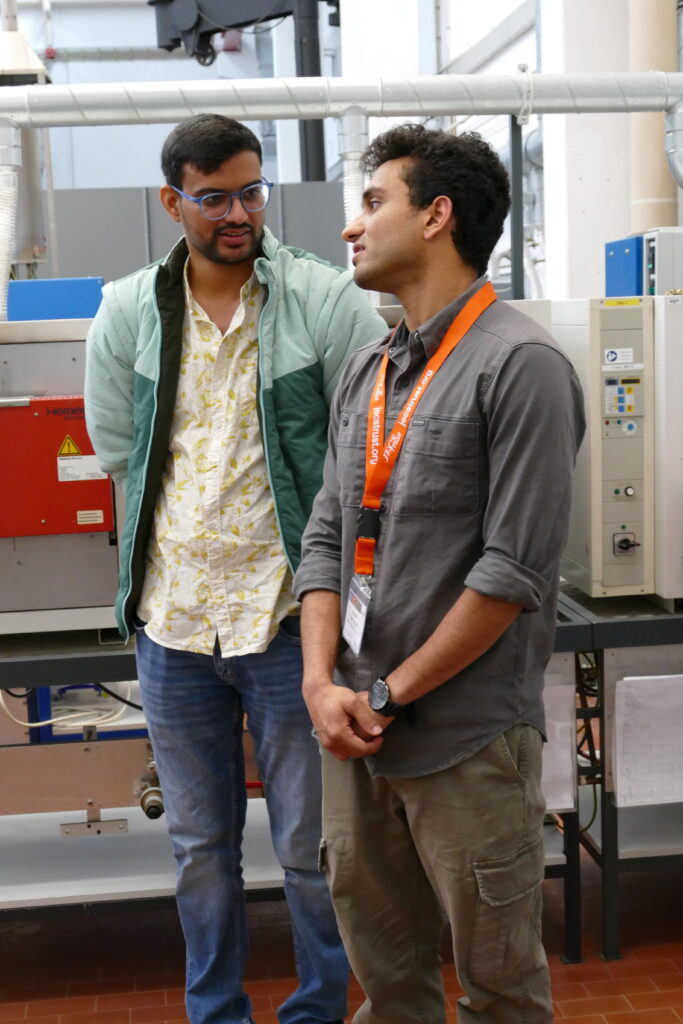
In the afternoon, participants engaged in discussions over coffee before joining small-group laboratory tours at the Institute of Glass and Ceramics. The day concluded with a Welcome Reception held in a nearby Biergarten.
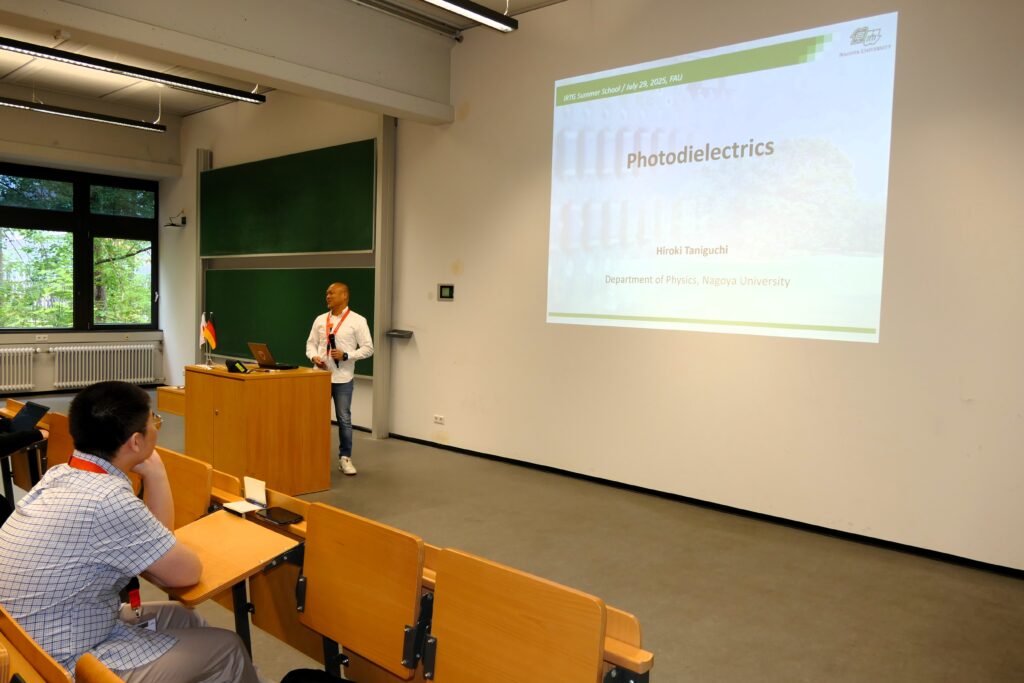
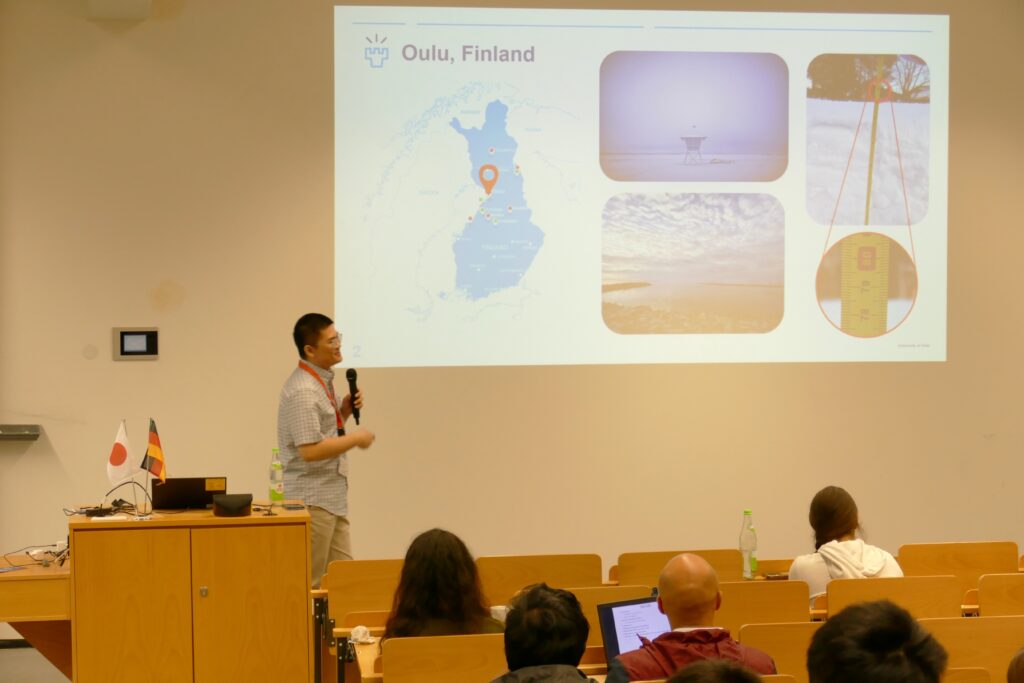
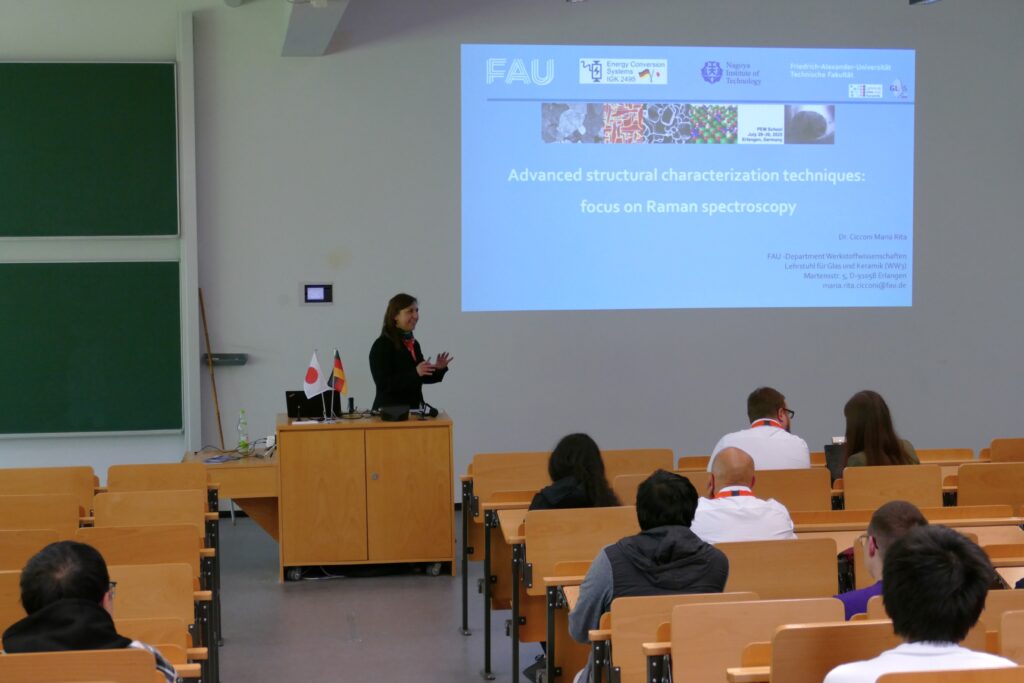
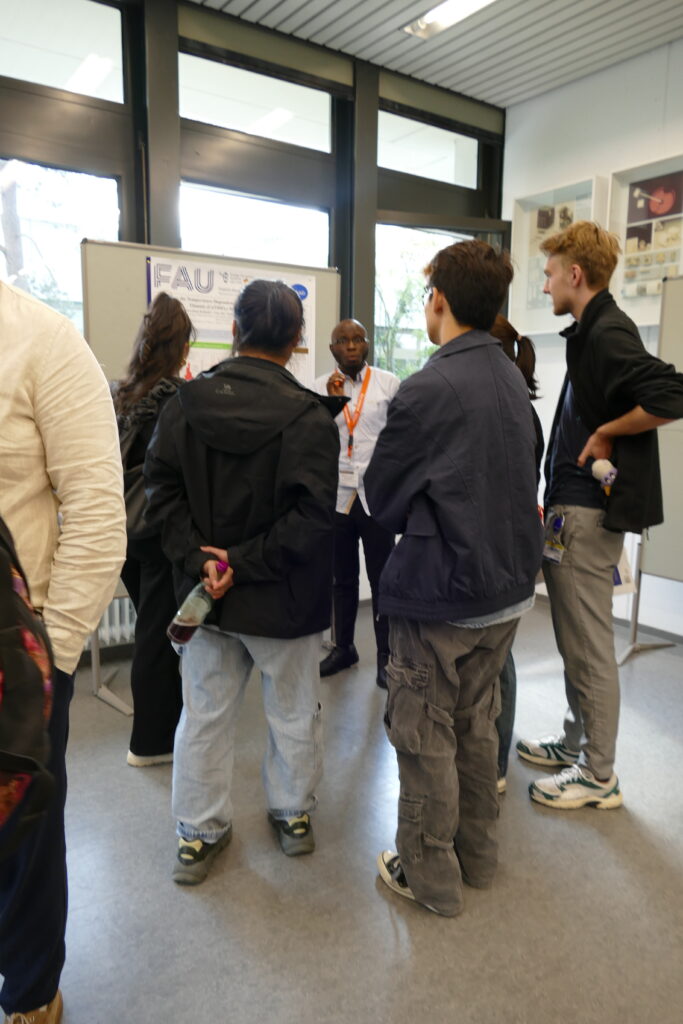
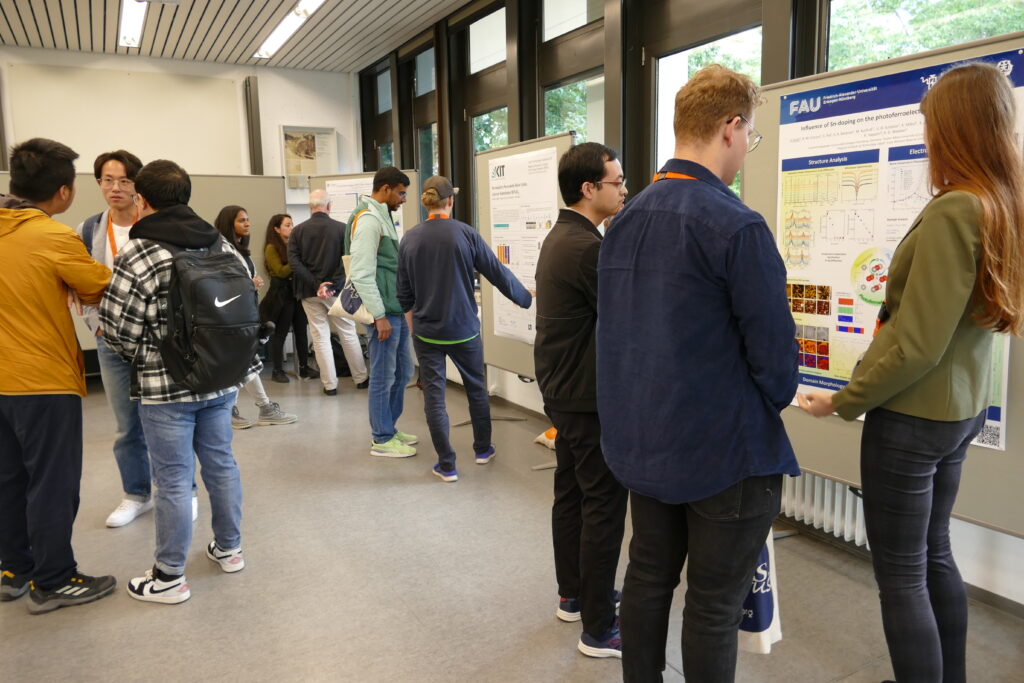
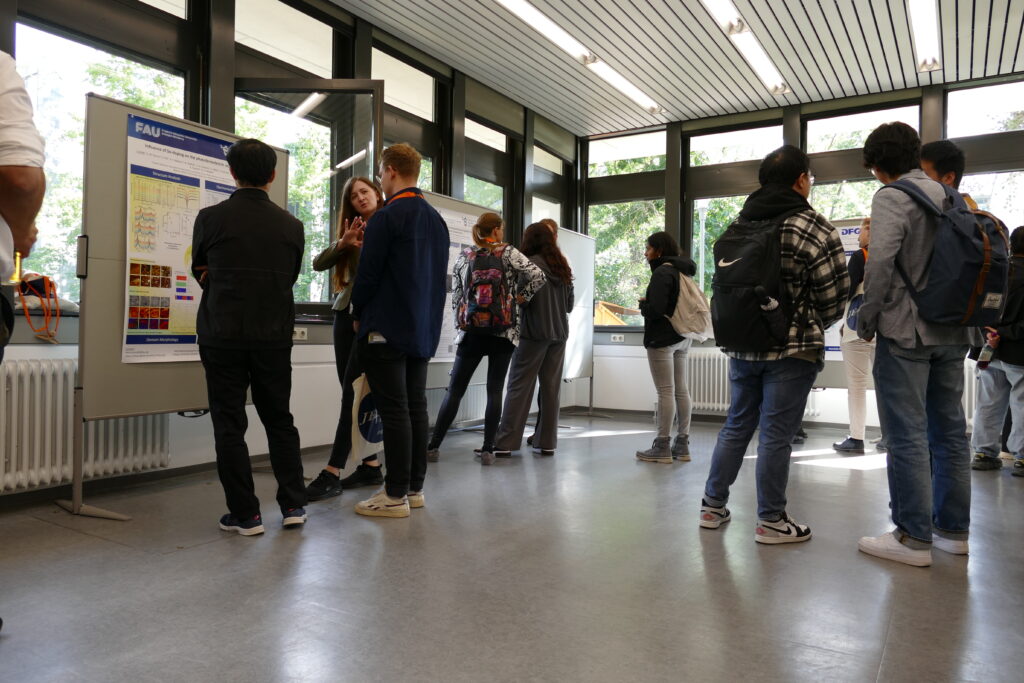
The second day started with Prof. Hiroki Taniguchi (Nagoya University, Japan) with his lecture on photodielectrics. He gave an overview on the development of photo-dielectric materials and new ferro/antiferroelectrics, and some insights on hyperordered structures. His talk was followed by Assoc. Prof. Yang Bai (University of Oulu, Finland) who delivered an overview of the Band Gap Engineering in photoferroelectric materials, emphasizing the importance of accurate material characterisation using appropriately UV–Vis–NIR data and the Tauc plot. The morning concluded with the lecture delivered by IGK 2495 principal investigator, Prof. Peter Wellmann on piezoelectric phenomena in semiconductors. In the afternoon, Dr. Bohdan Kundys discussed the multifunctionality of photoferroelectric materials, highlighting optically rewritable photostriction and potential applications in optical resistance, optical computing, and fiber based photonic devices. The final lecture of the day, held by IGK 2495 principal investigator Dr. Maria Rita Cicconi, covered spectroscopy techniques for material characterization, with a focus on Raman spectroscopy for PEM materials. Participants then gathered in the seminar room for the Poster Session, where young researchers presented their work to peers and lecturers. This highly successful session encouraged vibrant cross-disciplinary discussions, especially on multi-modal energy harvesting strategies. The day concluded with the Summer School Dinner, where excellent food and engaging activities created a relaxed atmosphere for further networking and collaboration.
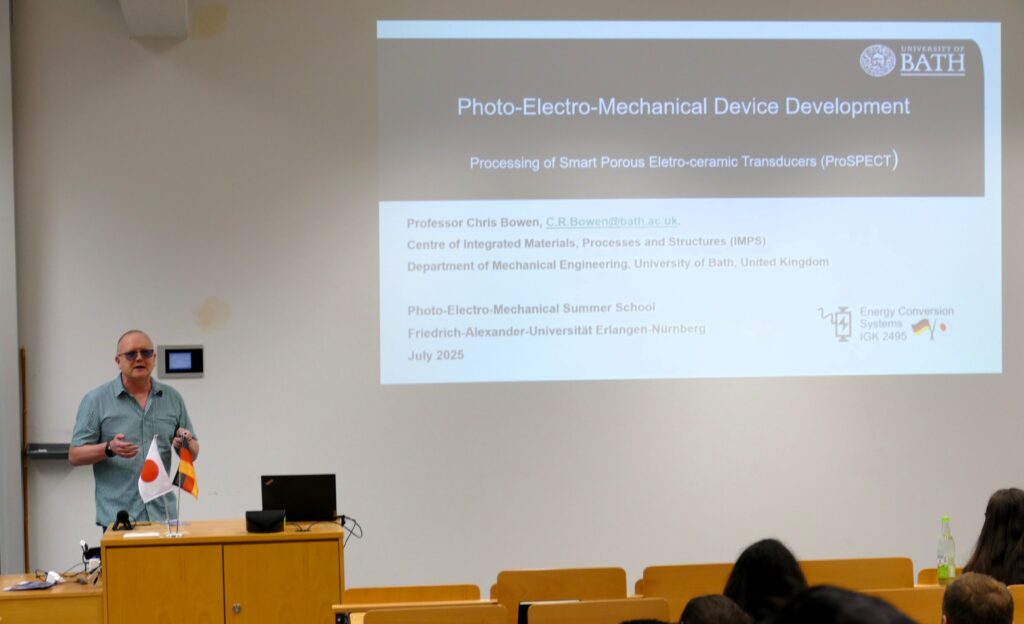
The final day began with a lecture by Dr. Manuel Hinterstein (Fraunhofer IWM) on advanced diffraction techniques for coupled materials, including synchrotron and nuclear diffraction. His presentation highlighted the capabilities of these methods in resolving structural changes under multiple external stimuli, providing valuable insights into the complex interactions within PEM systems. Prof. Chris Bowen (University of Bath, UK) then discussed the development of photo-electro-mechanical devices, outlining strategies for integrating light, electrical, and mechanical responses into functional prototypes. This was followed by Dr. Joe Briscoe’s (Queen Mary – University of London, UK) exploration of optically controlled domain switching in BaTiO3 thin-films. His work demonstrated sub-500 millisecond switching speeds enabled by reduced strain and photoexcited carriers, supported by density functional theory and molecular dynamics simulations. Dr. Briscoe emphasized the potential of such systems in neuromorphic computing, particularly for low-energy artificial intelligence applications. The final lecture of the summer school was given by IGK 2495 principal investigator Prof. Georg Fischer who presented on multifunctional PEM harvesters. Using examples such as smart shoes and adaptive clothing, he illustrated how light, vibration, and thermal gradients can be synergistically combined to achieve efficient energy generation. His talk addressed both theoretical and practical aspects, including transducer modelling, circuit topologies, and real-world challenges such as actuation and diode losses.
The day concluded with a closing discussion session, and a final coffee break that allowed participants to exchange contacts and engage in further discussions. Many of the participants expressed strong interest in continued collaboration within the IGK 2495 network.
The Summer School was a great success, and we are delighted with everyone who was part of it!
A heartfelt thank you to all who attended, helped, and organized the event.